Tida Rask · Founder, Serenso AI
Engineering judgment,
amplified by AI.
I build production software that helps businesses operate more effectively by combining engineering judgment, business understanding, and a disciplined AI engineering workflow.
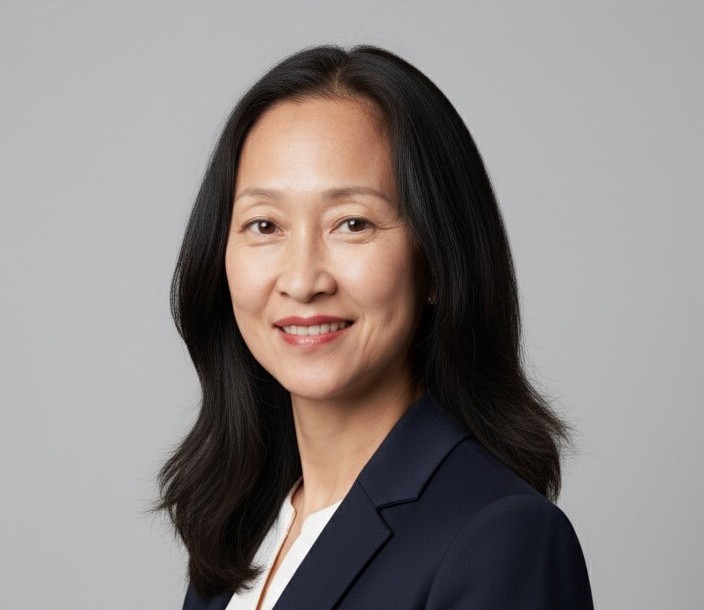
Tida Rask · DC Metro Area
How I Build
Clean code is the baseline.
Judgment makes it worth trusting.
Fifteen years across financial services, biotechnology, and workforce management taught me four lessons. Here's what each one means for the system you're building.
Systems outlast the people who built them
Teams change. Ownership shifts. I've kept systems running through leadership changes and acquisitions. Built for change, software survives that. Built for the moment, it doesn't.
Compliance is a design constraint, not an afterthought
Every business runs inside some set of rules. I've built for the strictest version: annuity processing, HIPAA-covered patient data, ISO audits. That habit doesn't turn off for a lighter set of rules. Yours gets the same discipline.
The interface is the operation
For the people using it daily, software isn't a tool, it's the work. I've built for compliance officers, project managers, and genetic counselors who couldn't afford software that fought their reality. If it doesn't fit, the engineering underneath doesn't matter.
Judgment compounds
The longer you've built systems, the faster you spot what's about to go wrong. Eleven years on one system taught me more about tradeoffs than any framework could. That judgment is what AI now accelerates. It doesn't replace it.
By the Numbers
The record speaks.
These numbers represent years spent building systems that businesses rely on to operate every day.
Work
Built for Business
Operations.
Each selected project shown here started with an operational problem that spreadsheets and manual processes could not solve. The systems that replaced them are still running today, handling compliance, patient data, and workforce operations at scale.

Biotech Operations Platform
As the laboratory grew, coordinating work across scientists, geneticists, reviewers, and operations staff became increasingly complex.
I helped evolve a platform that became central to laboratory operations, supporting work from sample management through clinical report delivery as the company grew from 12 to more than 300 employees. The system handled patient health information under HIPAA requirements throughout.
- Managed workflows from sample processing through report delivery
- Standardized clinical reporting using reusable templates
- Automated review, approval, and report delivery
- Handled protected health information in compliance with HIPAA
- Continued evolving as the business grew
SPT Workforce Management
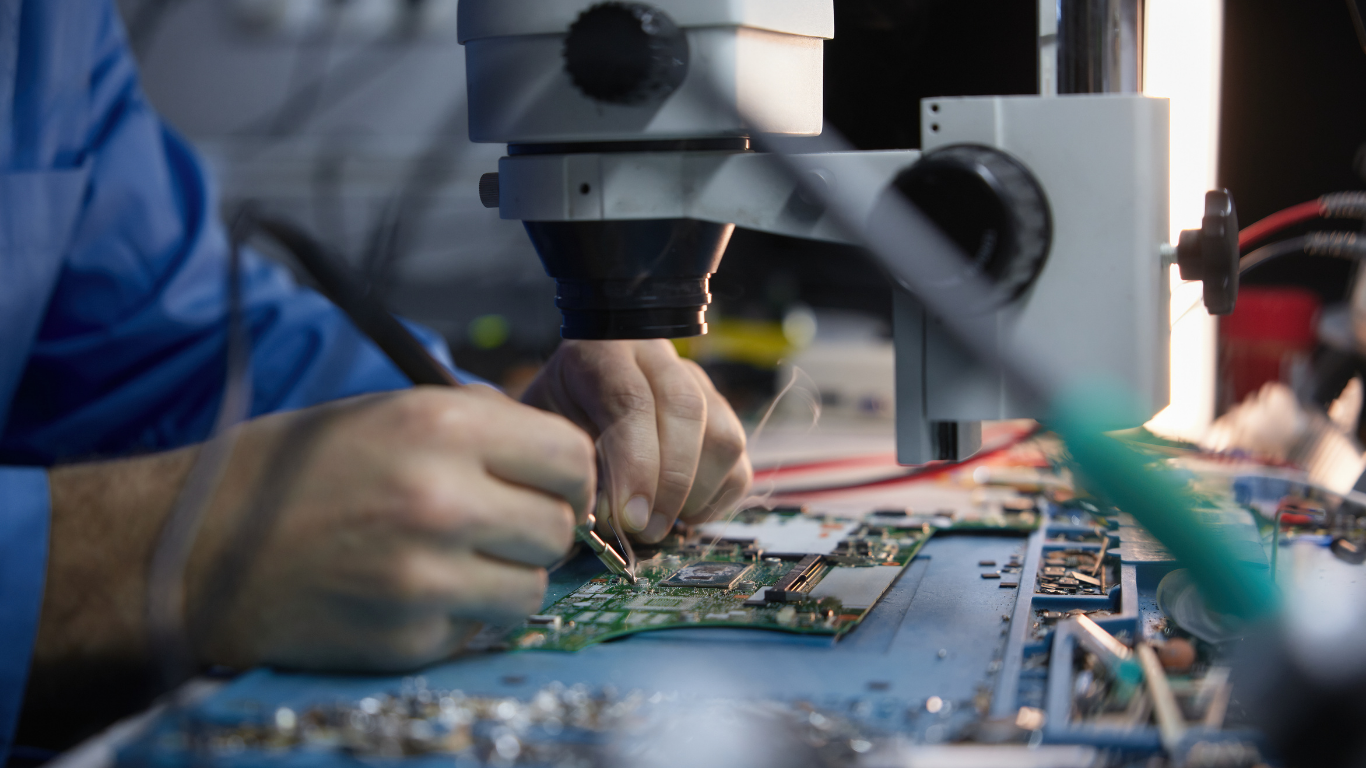
Managing thousands of workers across multiple clients meant critical information was scattered across spreadsheets, documents, and manual processes.
I built one operating platform that unified compliance, passport custody, project management, financial tracking, document management, and client service into a single system used every day.
- Supports more than 7,000 workers across multiple clients
- Centralized compliance, document, financial, and project workflows
- Reduced manual tracking across daily operations
- Supports ISO 9001 aligned processes and audits
- Thai, English, and Myanmar language support
Serenso Vault
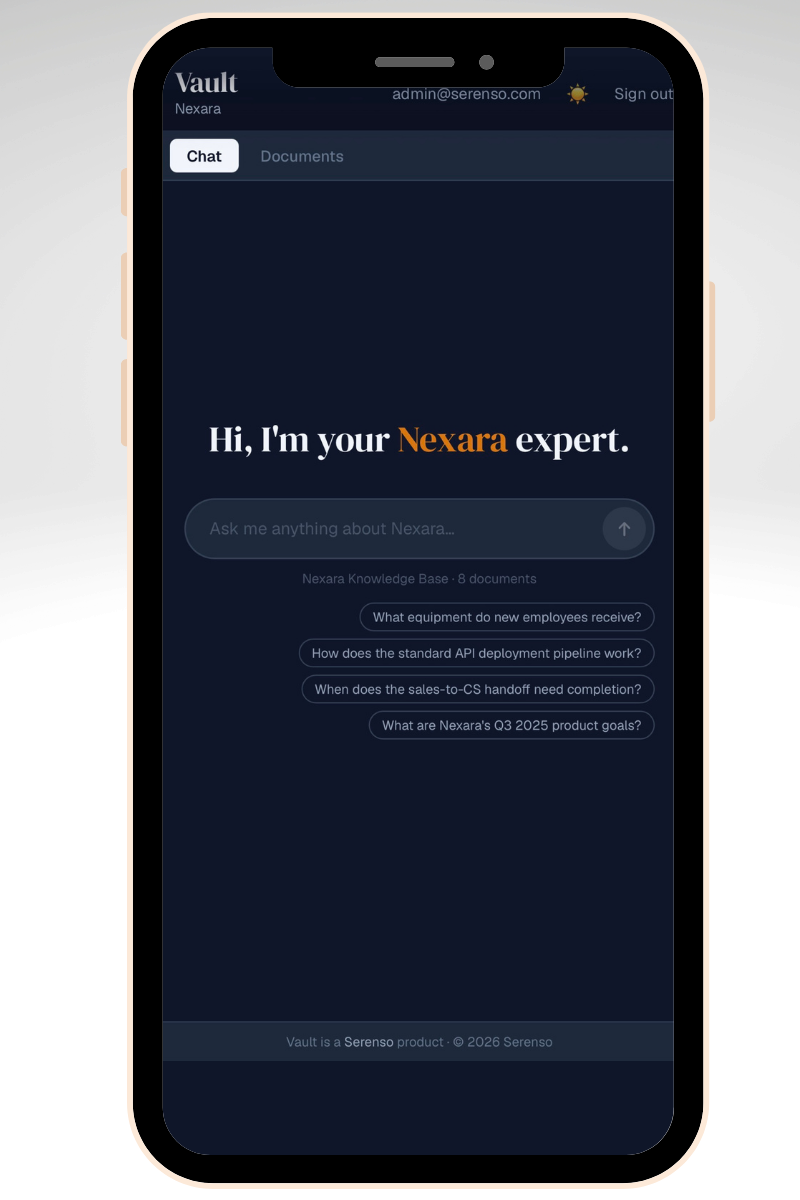
Business knowledge loses value when it's buried in folders, documents, and disconnected systems. Serenso Vault is built to become a shared knowledge layer for teams, helping business information stay accessible, secure, and usable over time.
- Makes business knowledge easier to access
- Combines document management and AI chat
- Role-based access control
- Regression testing for AI responses
- Production deployment pipeline
Client Experience
Testimonial.
Built into the way the business operates.
"Tida stays engaged throughout and is genuinely eager to talk to everyone involved, especially the people who will use the system every day. The system she built is fully integrated into how SPT operates. It handles almost every aspect of our operations, supports our ISO audits, and has been running for over two years with new features still being added. Our clients are impressed when they see it, and it makes closing deals easier."
Experience
The Foundation.
Before AI-assisted development, I spent years building software that businesses depended on every day. Those experiences continue to shape how I work today.
Database & Web Developer
Finetre CorporationContributed to AnnuityNet, a financial platform processing more than $15 billion in annual annuity premiums for over 20 major brokerage firms, including Merrill Lynch, Fidelity, and Legg Mason.
Senior Technology Consultant
Avenue80 Incorp.Delivered enterprise software for biotechnology and data engineering projects, helping organizations modernize operations and scale.
Founder & AI-First Software Engineer
Serenso AIBuilding production software using a disciplined AI engineering workflow for organizations in the United States and Southeast Asia.
Engineering With AI
Not just faster.
Further.
AI changes how I build software. It doesn't change the engineering principles behind it. Every project follows the same workflow: understand the business, plan carefully, implement deliberately, review continuously, and validate before deployment.
Engineering judgment
Architecture, tradeoffs, and maintainability remain engineering decisions.
Context before code
Every project begins with shared context. AI performs best when it understands the business, architecture, and conventions before implementation begins.
Plan before implementation
Major features begin with a written plan. Good implementation starts with clear thinking.
Guardrails over prompts
Reliable AI development comes from systems, not supervision. I design and orchestrate specialized reviewer agents, regression tests, and quality gates that catch problems before they reach production. Not better prompts.
Contact
Interested in building something together?
Whether you're building internal software, improving business operations, or adopting AI thoughtfully, I'd be happy to learn more about your business and the challenges you're trying to solve.